
How the body stores a storm
Our bodies don’t experience storms, smoke, or loneliness as abstractions. They register change as stress signals, stored and remembered long after the event passes.
Read the full essay on Medium
Our bodies don’t experience storms, smoke, or loneliness as abstractions. They register change as stress signals, stored and remembered long after the event passes.
Read the full essay on Medium

Weathering Extremes: How Bodies Track a Changing World
As weather becomes less predictable, our bodies are asked to adapt in new ways. This essay explores what climate instability means for human health—and what it takes to stay steady in a world of increasing extremes.
Read the full essay on Medium
As weather becomes less predictable, our bodies are asked to adapt in new ways. This essay explores what climate instability means for human health—and what it takes to stay steady in a world of increasing extremes.
Read the full essay on Medium
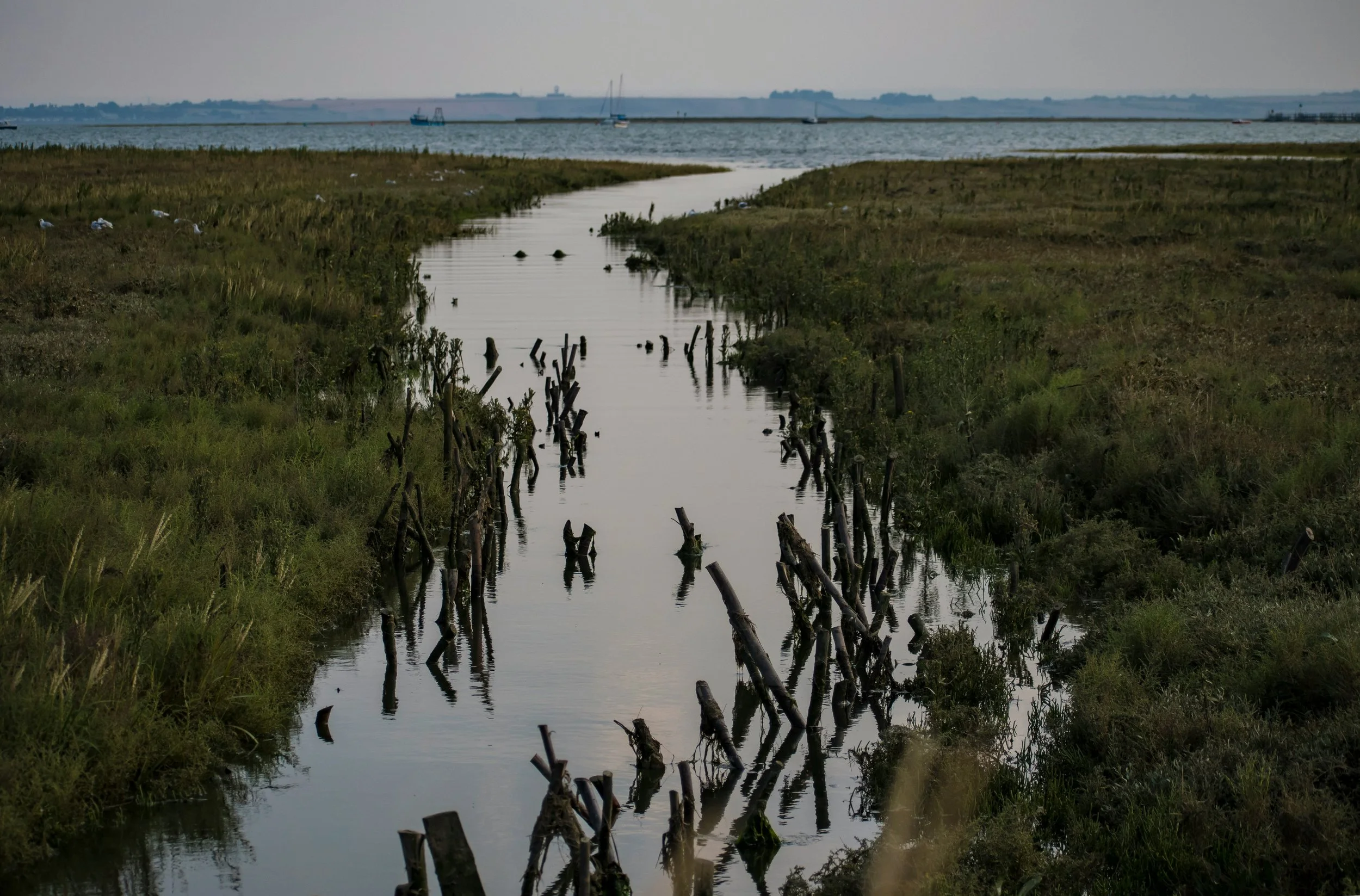
Loneliness: The Body’s Network Alarm
Loneliness is often treated as a personal failing, but the body experiences it as a physiological signal. This essay looks at disconnection as a health alarm—and what it reveals about the social systems we depend on.
Read the full essay on Medium
Loneliness is often treated as a personal failing, but the body experiences it as a physiological signal. This essay looks at disconnection as a health alarm—and what it reveals about the social systems we depend on.
Read the full essay on Medium
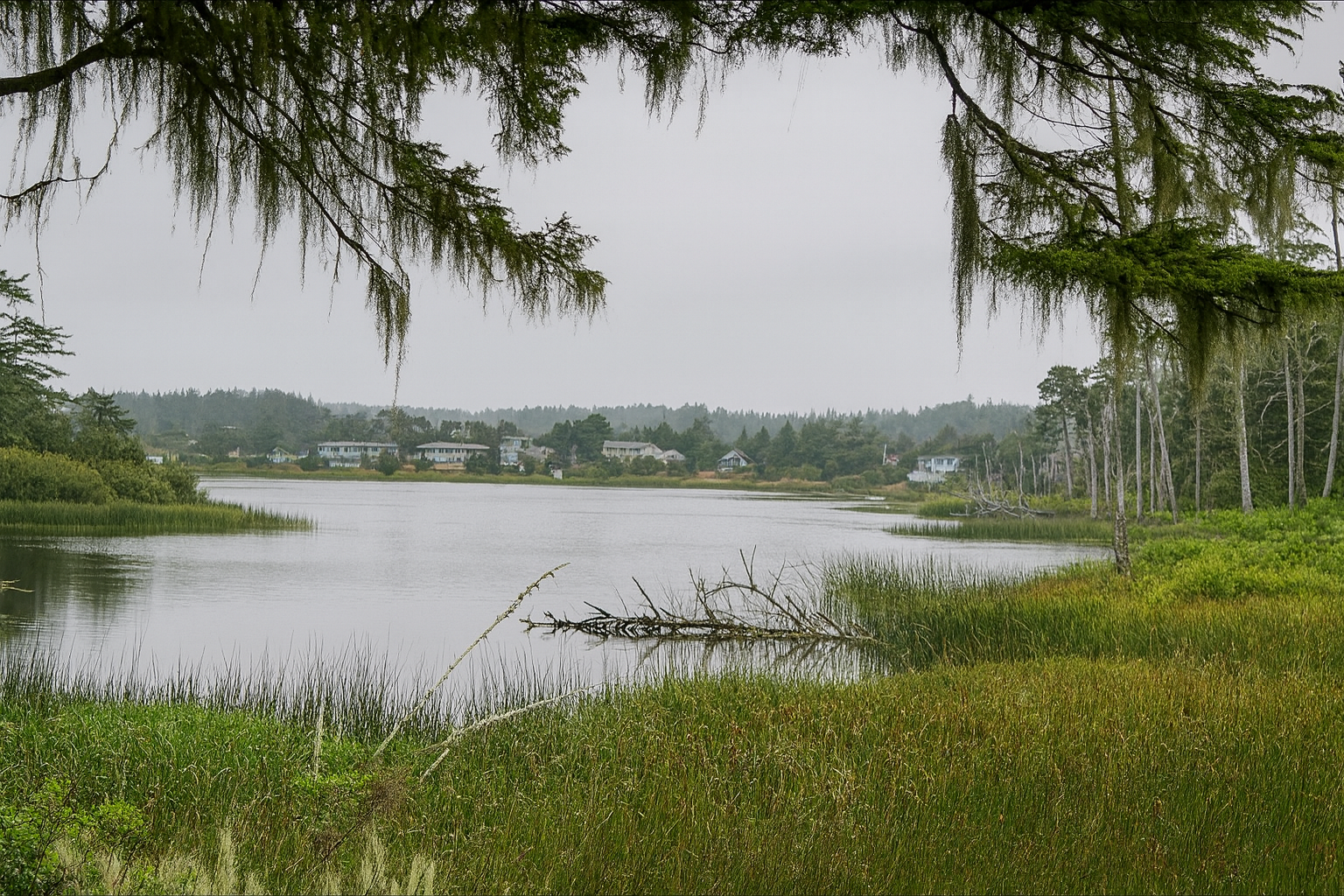
Why We Measure the Wrong Things: Health, Ecology, and the Future Beyond GDP
What we choose to measure shapes what we value—and what we neglect. This essay examines how dominant metrics distort our understanding of health and ecology, and why more relational measures are needed.
Read the full essay on Medium
What we choose to measure shapes what we value—and what we neglect. This essay examines how dominant metrics distort our understanding of health and ecology, and why more relational measures are needed.
Read the full essay on Medium